

On March 25, 2026, the United Nations General Assembly made a landmark decision. The global body formally adopted a resolution declaring the trafficking of enslaved Africans as the gravest crime against humanity. The Declaration of the Trafficking of Enslaved Africans and Racialized Chattel Enslavement of Africans as the Gravest Crime against Humanity unequivocally condemns the transatlantic slave trade as an enduring injustice, calling upon member nations to engage in dialogue regarding reparatory justice. For the Caribbean diaspora, the resolution represents a profound moral victory. The vote serves as a concrete step toward addressing historical wrongs. While 123 nations voted in favour, Canada joined the United Kingdom and several European nations in abstaining.
The proposed resolution was championed by Ghana and strongly supported by the African Union and the Caribbean nations (CARICOM). Ghana’s President John Dramani Mahama stated the adoption serves as a safeguard against forgetting. The declaration recognizes that the consequences of slavery persist today through structural inequalities, while demanding that the 15th-19th century enslavement of over 12 million Africans be documented as a crime against humanity to provide justice and healing for the African diaspora.
Reparatory justice remains central to the global movement.
Reparatory justice remains central to the global movement, with a framework seeking to repair historical harm through encouraging member states to: offer formal apologies, measures of restitution, compensation, rehabilitation, and the return of looted cultural items. Further, the CARICOM has long advocated for the approach through the Ten-Point Plan. The plan outlines a comprehensive path to reconciliation for victims and descendants. The United Nations vote brings the regional effort to the forefront of international diplomacy.
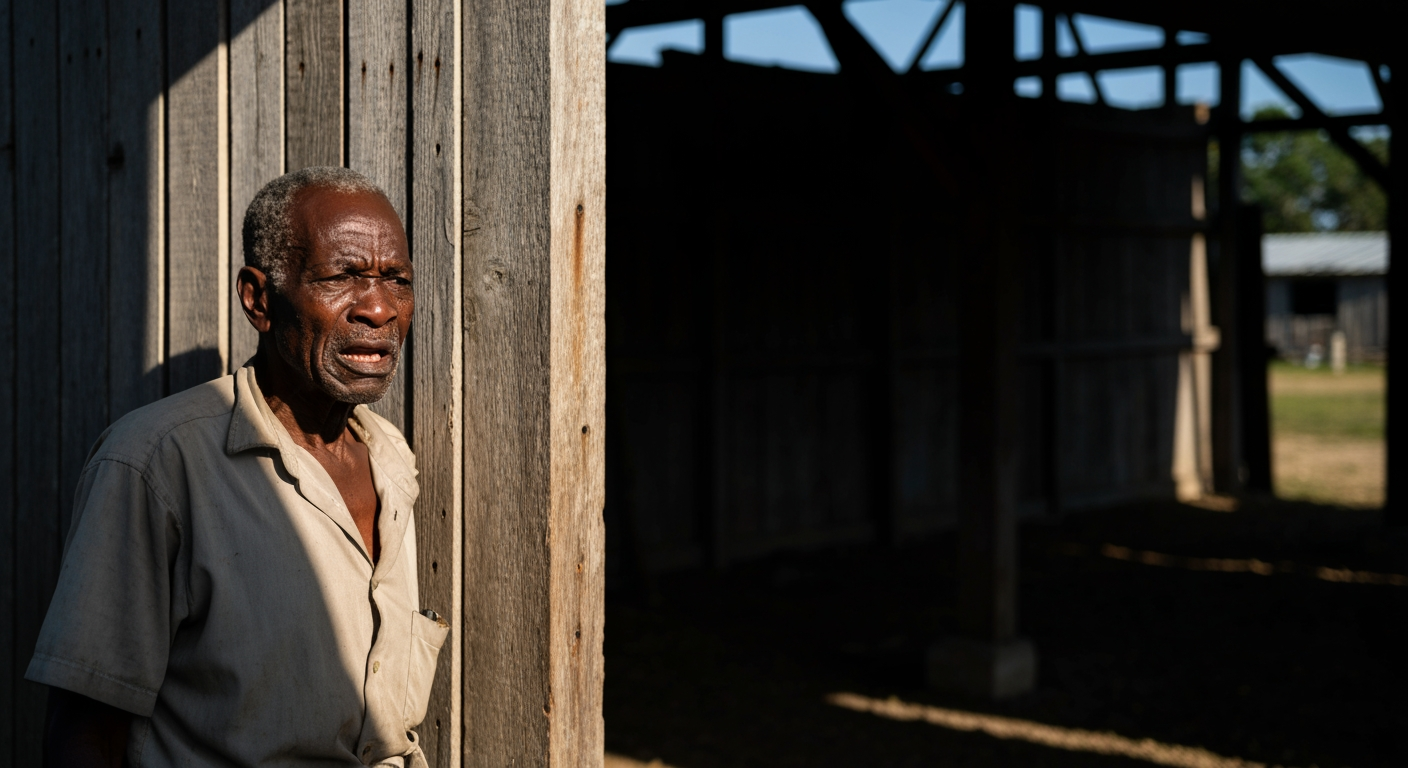
Canada’s decision to abstain reveals a complex relationship with the nation’s own history, which confirms that enslaved Africans were subjected to forced labour within early Canadian colonial settlements. The wealth generated by early Canadian financial institutions was inextricably linked to the West Indian trade, relying on the exploitation of enslaved people. By abstaining from a resolution calling for reparatory justice, Canada missed an opportunity to re-evaluate the national stance, and confronting historical ties to the transatlantic slave trade would support the healing of diverse populations and movement towards justice.

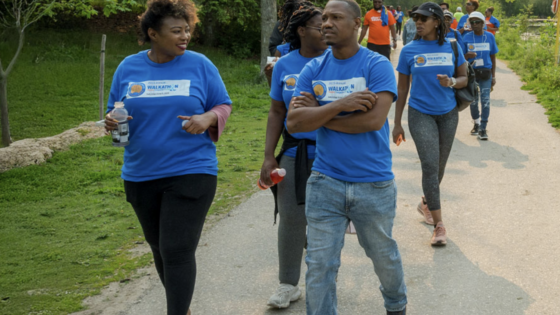
The implications of the abstention resonate deeply within the Caribbean diaspora in Canada. Toronto is home to an exceptionally vibrant Caribbean community. The Toronto Caribbean population faces enduring systemic barriers rooted in colonial legacies, leading to significant disparities in health, socioeconomic mobility, labour market integration, and cultural identity of these communities. During the United Nations ceremony, Toronto’s First Youth Poet Laureate, Shahaddah Jack, powerfully articulated the sentiment of the diaspora. Jack reminded the assembly that liberty is a birthright. She stated that slavery was merely an interruption, not the origin story of African descendants. When international bodies recognize the transatlantic slave trade as a crime against humanity, the recognition validates the lived experiences of people facing systemic challenges.
Justice does not expire with time.
Western nations abstaining or opposing the resolution often cite legal technicalities. The United States voted against the measure alongside Argentina and Israel. Deputy United States Ambassador, Dan Negrea, argued the nation does not recognize a legal right to reparations for historical wrongs. Negrea noted the wrongs were not illegal under international law at the time the wrongs occurred.
United Kingdom Ambassador, James Kariuki, expressed concern over creating a hierarchy of historical atrocities. The arguments prioritize legal frameworks over the moral imperative to address ongoing harm. However, Ghana’s Foreign Minister, Samuel Okudzeto Ablakwa, emphasized that justice does not expire with time. The transatlantic slave trade structurally transformed the global economy. The system created racialized regimes of labour continuing to influence modern society.
The pursuit of reparatory justice is an essential component of our being, as structural inequalities continue to directly impact community well-being here and across the diaspora. Confronting historical and contemporary injustices allows societies to dismantle the barriers preventing equitable development. The adoption of this resolution has provided a framework for reconciliation rooted in truth. The responsibility now lies with nations to align actions with the global call for justice.
Contributor Note
Ika Washington is a community health specialist, critical health sociologist, and health and social development consultant with expertise in socioeconomic determinants of health.
Stay in the loop with exclusive news, stories, and insights—delivered straight to your inbox. No fluff, just real content that matters. Sign up today!