


BY W. GIFFORD- JONES MD & DIANA GIFFORD-JONES
In healthcare, it’s the elusive breakthrough to a cure for diseases like cancer that has us all hoping, but sometimes it’s the bit-by-bit advancements, rarely getting headings, that make for greater impact. An example is the field of 3D printing, not even a medical technology by inception, but now a major disruptive force in the healthcare industry.
Also known as additive manufacturing, 3D printing allows the construction of physical objects based on three-dimensional digital models. A futuristic notion until recently, such printers are now commonly found in high schools, university libraries and labs, and also in a fabulous array of high-tech companies producing medical devices, and yes, body parts of all kinds.
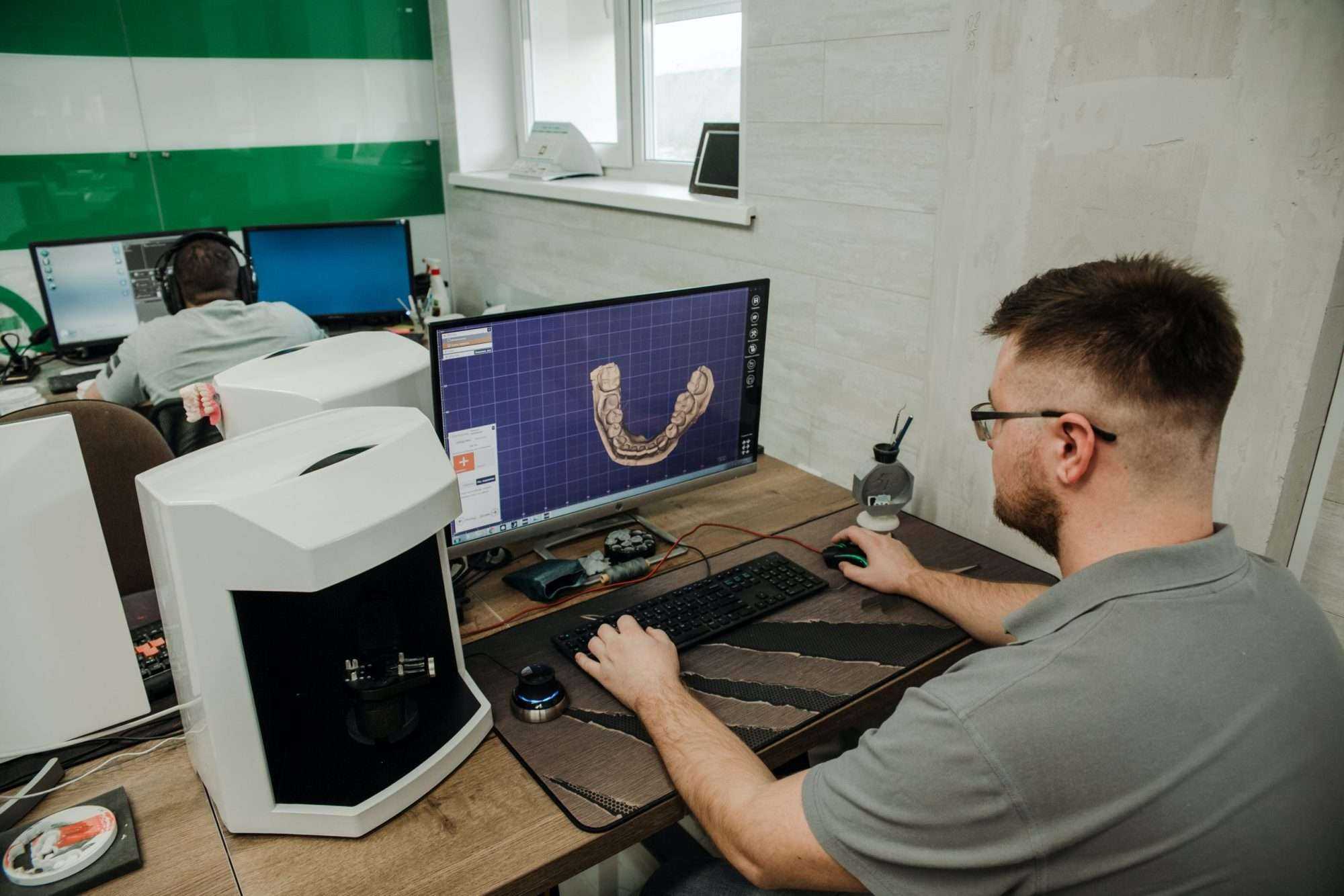
Hearing aid manufacturers were early adopters of 3D printing technology. From a silicone mould of the ear canal, a 3D scanner creates a digital model, a 3D printer produces it, and then hearing aid components are inserted. The entire process takes less than a day.
Sounds impressive? That’s just the start. Here are a few of the truly amazing stories of 3D printing in medicine.

In 2012, a 20-month-old baby received the surgical implant of a 3D-printed biodegradable windpipe to resolve a rare condition of weak and collapsing airway walls.
Use of the technology to repair damage to the skull is remarkable enough, but in 2014, a 22-year-old woman in the Netherlands suffering from a bone disorder had the entire top part of her skull replaced with a 3D-printed implant. Three months after the 23-hour surgery, she was symptom free and back to work!
Not just for the young, an 83-year-old woman with a chronic jaw infection was the recipient of the first titanium 3D-printed jaw. Using reconstructive surgery would have taken 20 hours and entailed too many risks at her age, but her doctors needed only four hours to conduct the implant and reported that she was able to speak and swallow normally the day after surgery and to go home after four days.
Treatments for heart defects and heart disease are on the horizon. Using precise bio-printing technology, customized heart valves are a medical marvel.
Printing entire organs is not a wild dream. Nearly ten years ago, they became a reality when the first livers and kidneys were produced. To date, these devices are only used for testing purposes, but an important step towards fully functional organs is the production of 3D-printed viable blood vessels, and these have now been produced and successfully implanted in animals.
Given the long lists of people waiting for organ transplants and the ethical issues of animal testing, advancements cannot come fast enough.
In other areas of medicine, amazing innovations are in the works. For example, 3D-printed skin tissue infused with stem cells is a possible new treatment for severe burns. Among the tiniest of printed innovations, researchers have created microscopic objects that can be tracked as they travel in blood vessels, the gut biome, or reproductive systems, helping advance the field of drug delivery, for instance.
It won’t be long before we see 3D printers spitting out exact replicas of teeth, leaving drills and fillings to the history books.
3D printing is even getting stylish. Building prosthetic limbs used to be about delivering functionality to someone who has lost an arm or leg. Now a digital model can replicate the exact shape of the lost limb. How long until the mechanics can be embedded in a natural-looking casing with the touch and sensory characteristics of skin?
3D printing is not a cure for cancer, but the technology is a reminder that solutions sometimes come from unexpected places.
Stay in the loop with exclusive news, stories, and insights—delivered straight to your inbox. No fluff, just real content that matters. Sign up today!