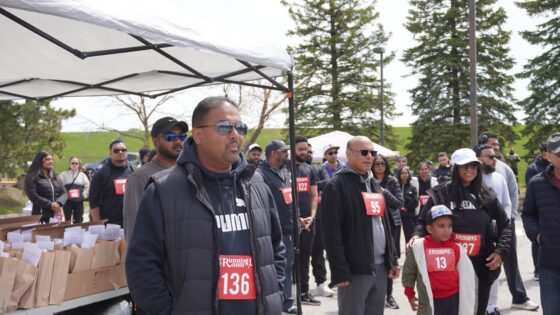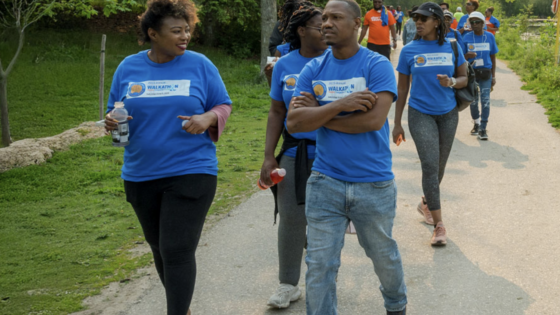




How can a program with million-dollar advertising remain invisible to its intended audience? Our esteemed Community Health Specialist Ika Washington had this question in her mind during the RAISE Grant Program press conference on September 10th, 2025, where a troubling disconnect between government outreach and community awareness was revealed.
As someone who has spent time examining structural inequities in our systems, Ika recognizes this pattern all too well; well-intentioned initiatives failing to reach those who need them most.
The statistics she reported to me paint a puzzling picture. Despite the government spending over $1 million on ethnic media advertising last year, community members like the press conference participants had never heard of the RAISE program. This awareness gap is clearly a missed opportunity for economic justice in communities that have historically faced barriers to business funding.
Yet, beneath this concern lies something remarkable: when racialized entrepreneurs do access the program, they thrive. Approximately 40% of 2024 participants identified as Black, with nearly 100% completion rates and 99% satisfaction. These numbers represent transformed lives. Businesses completing the program see an average 60% revenue increase, with many creating new jobs in their communities.
Consider the story of Crafty Ramen co-founder Miki Ferrall, whose business expanded across Kitchener and Guelph after participating. Or the young woman who opened a hair salon and saw her sales significantly increase through the program’s support. These success stories demonstrate what’s possible when financial resources meet culturally responsive support.

The RAISE program’s structure reveals a deep understanding of the challenges faced by racialized entrepreneurs. Participants receive $10,000 in funding plus 10 hours of weekly online business coaching from DMZ at Toronto Metropolitan University, a partner with specific expertise in anti-racism training and support for marginalized founders. This combination addresses both immediate financial needs and long-term business capacity building.
When pressed on deeper structural barriers, the Minister acknowledged that while the program’s combination of financial support and business coaching addresses some challenges, more work remains. This honesty is refreshing; recognizing that while we celebrate successes, we must continue pushing for systemic change.
The program specifically targets Indigenous, Black, and other racialized entrepreneurs as defined by Ontario’s Anti-Racism Act, with particular emphasis on reaching South Asian communities. Applications close October 1st, 2025, creating both urgency and opportunity.
For ethnic media outlets, there is a clear invitation to partnership. The government encourages reporting advertising access problems directly, suggesting a path toward more effective community outreach. This transparency creates an opportunity for us to bridge the information gap that keeps vital programs hidden from view.
As we reflect on these developments, we must ask ourselves: How can we ensure that economic empowerment programs reach their intended beneficiaries? The answer lies in community-centered approaches that recognize both the barriers and the resilience of racialized entrepreneurs.
Ready to transform your business future? Apply for the RAISE Grant Program before October 1st, 2025, and join the movement of racialized entrepreneurs building economic power across Ontario.
Stay in the loop with exclusive news, stories, and insights—delivered straight to your inbox. No fluff, just real content that matters. Sign up today!