Imagine training for the world stage while never knowing if you can even get to practice. That’s the daily reality for many Para athletes in Jamaica, until now.
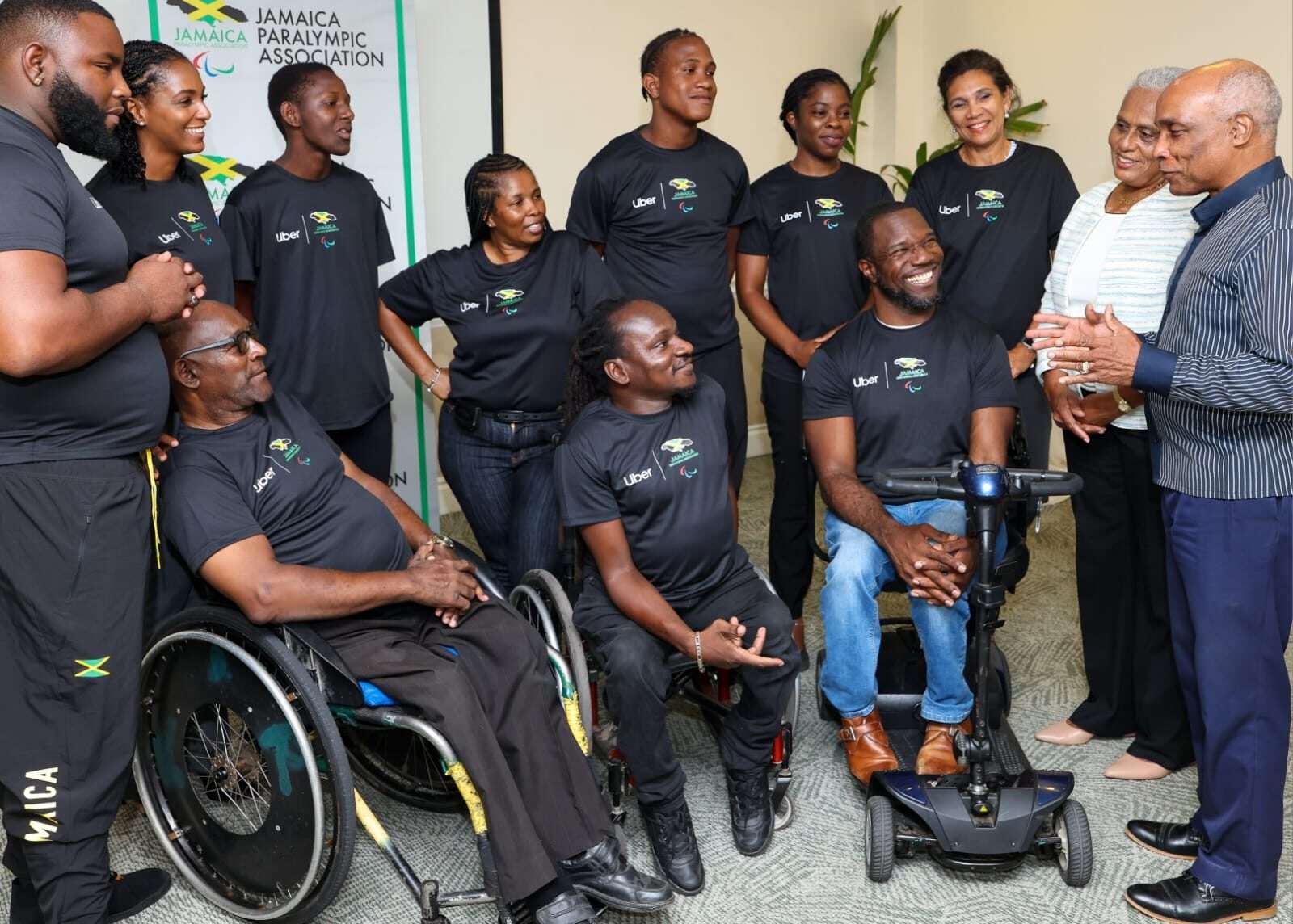
This October, the Jamaica Paralympic Association (JPA) and Uber will launch a free Uber Ride Programme for all registered Para athletes. Timed with the Jamaica Para Sport Festival, the initiative is about rewriting what mobility means for differently abled athletes.
Earlier this year, international sporting leaders visited Jamaica, spotlighting the nation’s growing Paralympic movement. Out of those conversations came a renewed bond between JPA and Uber. What makes this partnership remarkable is not only the logistics, but the shared philosophy driving it.
Christopher Samuda, JPA President, put it plainly, “This is aiding partnership, that goes beyond the inked contract and mobility and resides in the mutual conviction that, together, we can overcome the adversities and roadblocks of life.”
That conviction reflects a broader shift; one where corporate power and community needs intersect in ways that feel genuinely transformative.
For athletes with disabilities, showing up is half the battle. Coaches like Neville Sinclair, O.D., PLY, have witnessed the toll of missed training sessions. “We have athletes who sometimes can only train twice a week, because they can’t get there,” he explained.
Now, reliable transportation flips the script. More consistent attendance builds confidence. It removes a quiet, unspoken stigma: that ambition is limited by access. Instead, athletes step into a narrative where their effort meets tangible support.
Transportation seems simple, but in the psychology of opportunity, it’s everything. Access to training equals access to possibility. This initiative reframes Uber from a convenience app to an equity tool.
Carolina Coto, Uber’s Communications Manager for the Caribbean, emphasized, “Access to reliable mobility is fundamental to creating equal opportunities.”
The message is clear; equal access is an infrastructure, and when that infrastructure is built, society sees the results: medals, records, but most importantly, dignity.
Here is the deeper story. This partnership models how collaboration between global companies and local institutions can dismantle quiet barriers that often go unseen. It teaches communities to rethink what equity looks like: shared responsibility.
As the Para Sport Festival approaches, anticipation builds for a future where no athlete is left waiting at the roadside.