
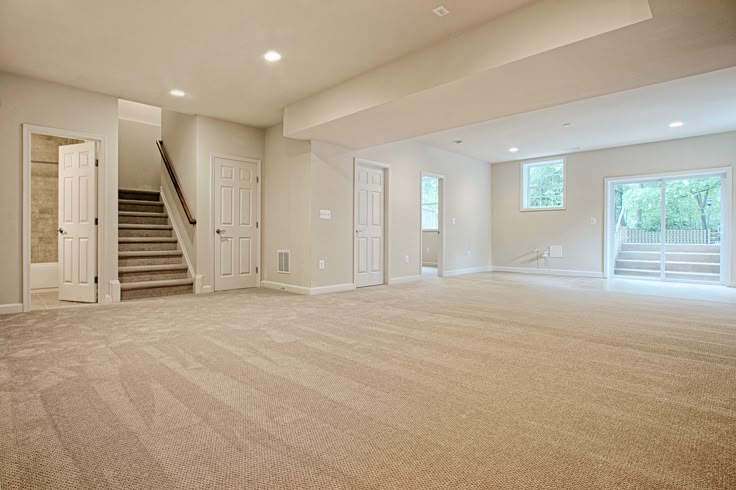

I remember walking through a basement apartment that looked perfect at first: fresh paint, new flooring, a tidy kitchen. The landlord was proud of it. “I take care of my place,” he told me. Then he quietly admitted: no permits, no registration, no inspections. He wasn’t trying to be reckless; he didn’t believe the rules applied to him. That mindset is exactly why Brampton’s new landlord rules became unavoidable.
Starting in the new year, any landlord in Brampton with one to four rental units must register those units with the city and obtain a valid license before renting them out. This isn’t a one-time form you fill out and forget; it includes annual renewal, a mandatory online learning module, compliance with health, fire, and building codes, and posting the license on the property. Importantly, the license itself is free. The city has indefinitely suspended the original $300 annual fee, and that detail matters. This change is about accountability and setting baseline standards.
Policies are not made for perfect situations; they are meant for when problems happen. When a property becomes crowded or unsafe, issues tend to spread. Fire crews respond, and bylaw officers spend weeks investigating. Neighbours deal with noise, parking chaos, and safety worries. If tragedy occurs, the first question is always: why didn’t someone act earlier? The city’s response now makes it clear: prevention is more important than reacting.

Brampton’s decision to roll out its Residential Rental Licensing (RRL) program city-wide starting January 1st, 2026, didn’t surprise me. It actually seemed long overdue. Not registering an extra rental unit now results in fines of $1,000 for the first offence, $1,250 for the second, and $1,500 for further violations. Other offences related to the RRL, like failing to display a license or ignoring city orders, face the same escalating penalty system.
From my perspective, this is an acknowledgment that rental housing in Brampton is no longer informal. Basement apartments, shared homes, and small multiplexes now house a significant part of the city’s population. With that reality comes responsibility. Licensing won’t magically turn someone into a good landlord, but it does establish a baseline. It encourages education. It leaves a paper trail, and when issues occur, it provides the city with tools to intervene before problems escalate.
I’ve seen too many landlords rent first and worry about compliance later. Under the RRL program, that approach no longer works. A license must be obtained or renewed before a unit is rented, otherwise, the tenancy is illegal. Even beautifully finished units can be unlawful if they were never permitted, or registered, and operating an unregistered Additional Residential Unit is a serious offence. Non-compliance can also prevent a landlord from renewing a license altogether, effectively cutting off rental income.
This is the moment for landlords to ask themselves an honest question: Am I managing housing, or just renting out space? If it’s the former, these changes are manageable. If it’s the latter, Brampton has made it clear those days are over. The city’s rental market is entering a new chapter, one that prioritizes safety, consistency, and accountability across every ward. You may not agree with every detail, but the direction is hard to dispute. In today’s Brampton, doing nothing is no longer an option, and “I didn’t know” is no longer a defence. I encourage every landlord in Ontario to follow Brampton’s RRL program and every tenant in Brampton to rent only licensed suites.
Stay in the loop with exclusive news, stories, and insights—delivered straight to your inbox. No fluff, just real content that matters. Sign up today!