


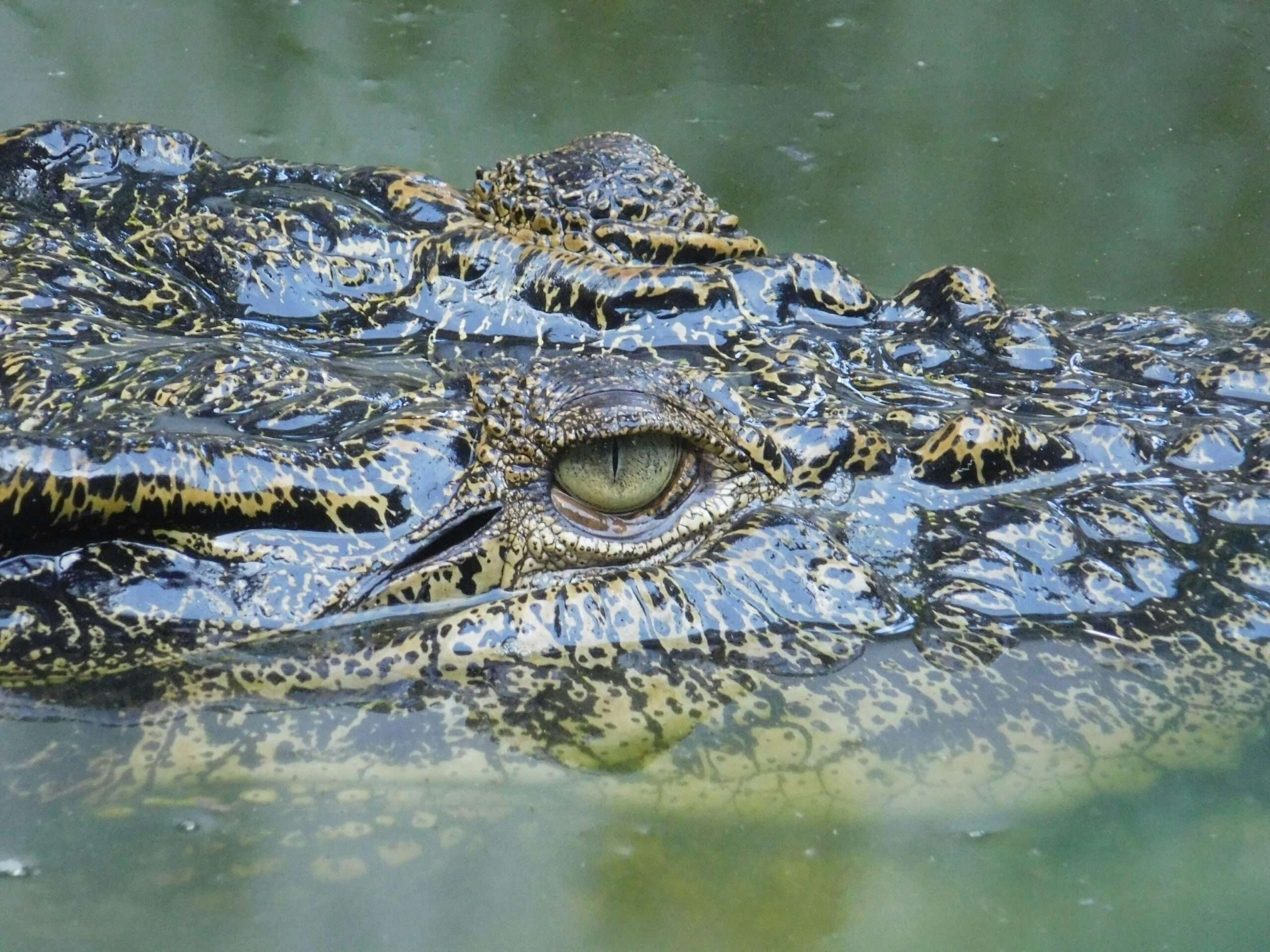

Discover why patterns in nature repeat, from spirals to symmetry. Learn the science, psychology, and meaning behind nature’s hidden code.
We have all noticed it: the spiral of a seashell, the branching of a tree, the ripple of sand dunes shaped by the wind. At first glance, these are just pretty designs scattered across the world, but look closer, and a deeper question emerges: why does nature repeat itself?
That question pulls us into a psychological curiosity gap, one that scientists and storytellers alike have been chasing for centuries. The answer is about: survival, efficiency, and the universal language of growth.
Patterns in nature often follow mathematical rules. The Fibonacci sequence, for example, shows up in: sunflower heads, pinecones, and hurricanes. These spirals aren’t accidents; they maximize efficiency, packing seeds, petals, or clouds into the tightest possible space.
Fractals, another common pattern, repeat endlessly at different scales. Think of lightning splitting across the sky, or a river branching into streams. These repeating structures save energy, allowing systems (whether blood vessels or river networks) to spread resources with minimal effort.
<div style=”text-align: center; margin: 20px 0;”>

</div>
Why Our Brains Can’t Look Away
Here is where psychology enters. Our brains are wired to seek order in chaos. Recognizing symmetry, rhythm, and repetition helped our ancestors survive: a patterned movement in tall grass might signal prey, or predator.
Patterns also trigger something more profound: cognitive ease. When our brains spot a familiar rhythm, it feels good. It’s why staring at waves, or snowflakes is oddly calming. The pattern reassures us that life, though unpredictable, has structure.
This is where journalism and science meet. Patterns are nature’s way of telling a story: growth, decay, renewal. They remind us that life is cyclical, not linear. Communities, like ecosystems, also develop patterns of resilience, conflict, and repair.
When we write about these structures, we are modeling how to notice, question, and find meaning in repetition. Just as rivers carve valleys, our shared experiences carve cultural memory.
Here is the payoff: patterns remind us that life isn’t random. Behind every spiral shell and branching tree lies a principle: efficiency, resilience, beauty, that can guide us too.
The next time you notice repetition in the world around you, pause. Ask, what’s this pattern teaching me? Like journalism, nature’s designs are open invitations to investigate, interpret, and connect.
Stay in the loop with exclusive news, stories, and insights—delivered straight to your inbox. No fluff, just real content that matters. Sign up today!