

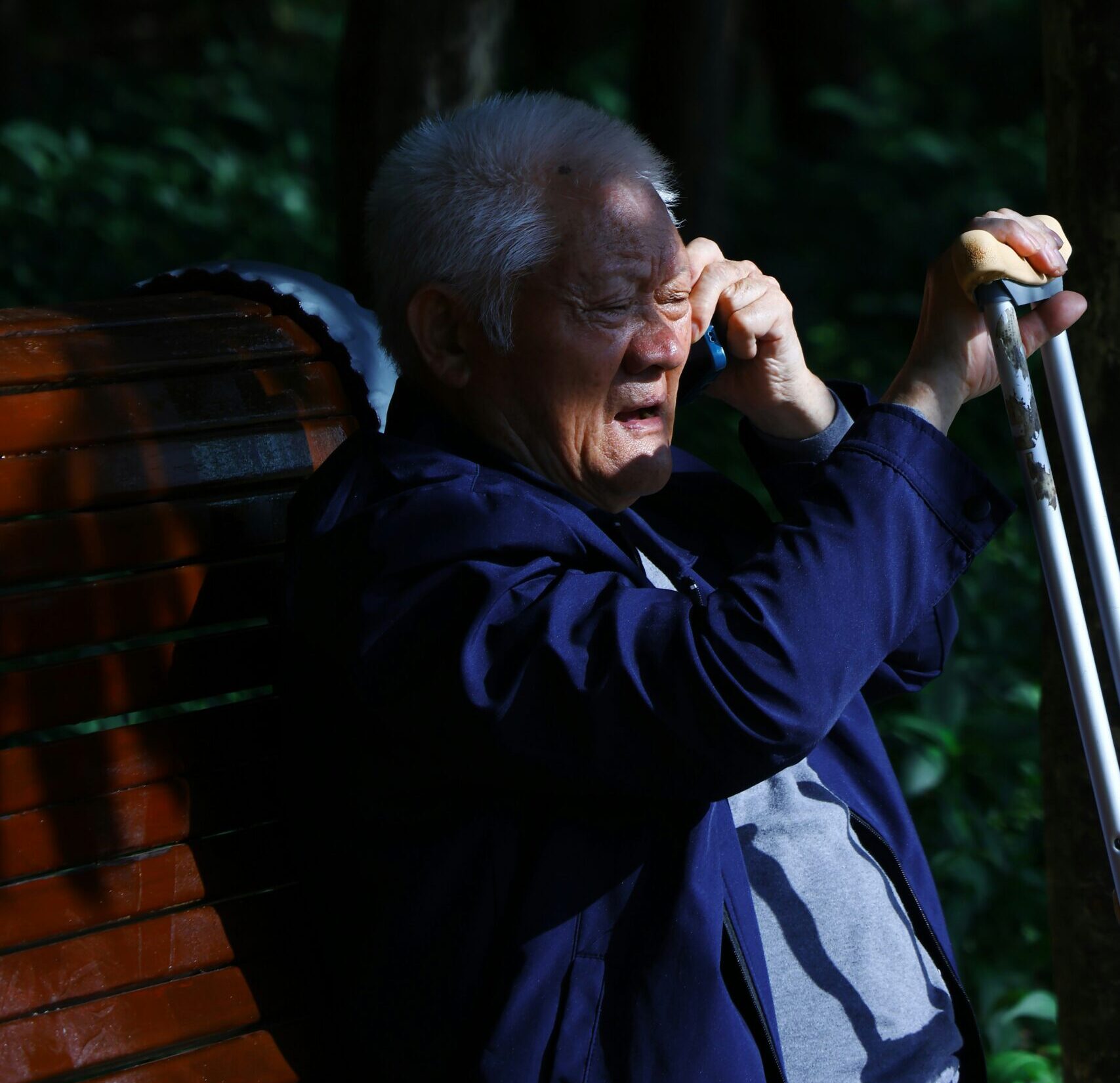

No one wants to get that call. A loved one has taken a fall. There is always the hope that it will be just a bruise and shaken confidence, but when the ensuing emergency treatment confirms a fractured hip, it is time for everyone to bring out their best skills in patience.
Falls are, unfortunately, quite common, but their consequences are anything but trivial. Research published in journals such as the Journal of Bone and Mineral Research and the New England Journal of Medicine has long shown that a hip fracture in later life is no walk in the park.
Yet, the major risks associated with hip fractures are well known, and medical teams are trained to mitigate the ones that can cause problems while in the hospital. Hip fracture surgery has risks, but today, most people come through it. Four in five older adults survive the year following a hip fracture. Few will return to their previous level of mobility and independence, but a hip fracture today is not what it was forty years ago.
Dr. Mary Tinetti, Professor of Medicine at Yale University School of Medicine, has spent a career studying why people fall. One of her observations is that it is often the more active, capable older adult who sustains the most serious injuries. They move more quickly, take more chances, and neglect preventative measures.
Falling, she argues, is rarely due to a single cause. It is the result of slight changes accumulating over time. Vision becomes less dependable. Balance is easily lost. Medications interact. Muscles lose strength.

Some falls are preventable. The edges of rugs are a hazard, as is poor lighting. Showers, even with grab bars, are slippery places. Preventing a fall means slowing down so that every movement is a safe and steady one. Even with care, falls still happen.
The evidence of studies shows that frailty, rather than age, is the key determinant of rehabilitation outcomes. So, whether before, for prevention, or after a fall, for recovery, exercise is critical. That is why physiotherapy is standard practice for post-operative treatment. At any age, particularly after 50, experts agree that people should be engaged in resistance training 2-3 days a week, aerobic exercise at least three times a week, and balance training just as frequently.
Having professional physiotherapists to guide a program of exercise is ideal. Left to their own devices, people fail to do what is good for them. In the U.S., large-scale surveys show that even after encouragement, about 80 percent of people don’t meet the guidelines.
Getting started is not hard. Experts say that standing on one foot, then the other, while doing the dishes is one place to start. Slowly standing and sitting without using the arms is another good exercise.
Here is interesting news. In a longitudinal study of approximately seven hundred people who experienced a fall, researchers found that mindset matters. Independent of other crucial factors such as age, gender, and pre-fall physical function, people with positive self-perceptions of aging had significantly better outcomes as measured two years after their fall.
In sports psychology, there is an expression, “The body achieves what the mind believes.” Athletes understand. Kids too. It is just the older set that needs to internalize this.
So, have patience, and resolve if you are the unlucky victim of a fractured hip. It is a long road to recovery, but with careful and consistent exercise, and a healthy outlook, you can ensure your place in the group of people who come through the trauma.
Stay in the loop with exclusive news, stories, and insights—delivered straight to your inbox. No fluff, just real content that matters. Sign up today!