


I keep coming back to one central question: how can Agenda 2030 claim to protect the planet while demanding continuous economic growth? The contradiction sits at the heart of the United Nations Sustainable Development Goals (SDGs), and researchers, economists, and everyday people like you and me are beginning to see the cracks.
The SDGs promise harmony with nature, protecting ecosystems, conserving resources, and slowing climate change (Goals 6, 12, 13, 14, 15). At the same time, Goal 8 pushes for at least 3% global economic growth every year. Growth, they argue, drives jobs, innovation, and human development. On paper, it sounds balanced. In reality, the two goals pull in opposite directions.
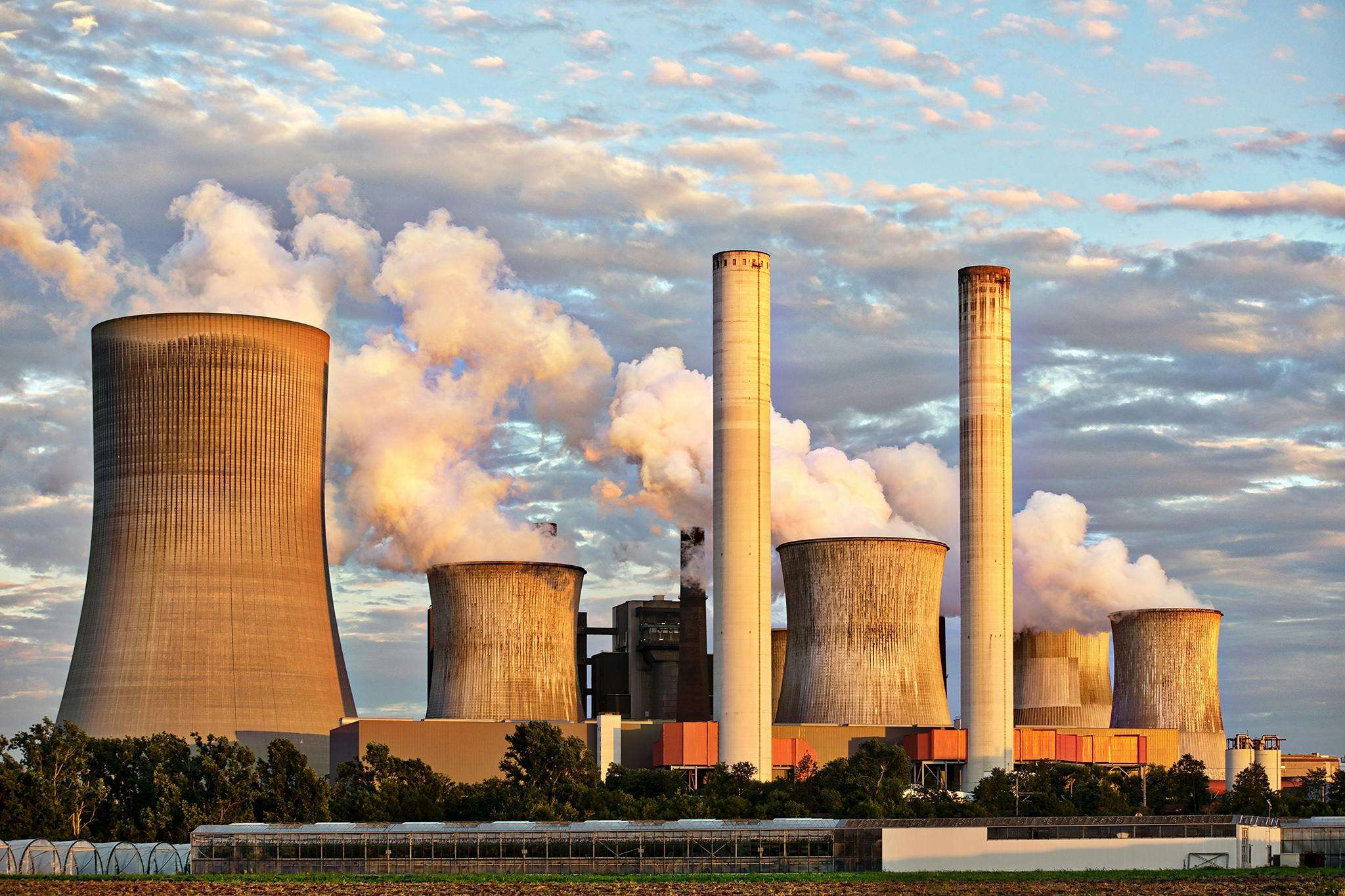
Researchers have crunched the numbers. If the world keeps chasing 3% annual GDP growth, global resource use could exceed safe limits by two, or three times before 2030. That means more: mining, drilling, energy use, and pollution, hardly the recipe for “living in harmony with nature.”
Some argue that technology can fix this through what’s called “decoupling” producing more while using fewer resources. Here’s the problem: absolute decoupling at a global scale hasn’t been achieved. The more the world grows, the more it consumes. The greenhouse gas cuts required to keep warming below 2°C? Impossible if growth continues on today’s terms.

The real issue is structural. Our global economy thrives on neoliberal systems that reward profit, consumption, and expansion. International environmental agreements rarely challenge this. Instead, they rely on “green capitalism,” market-based solutions, efficiency gains, and the hope that new technologies will save us.
Incremental fixes won’t reconcile the fundamental clash between infinite growth and a finite planet. This growth-first model widens inequality and often leaves marginalized communities paying the highest price in environmental destruction.
Jason Hickel from the University of London argues that Goal 8 is flat-out incompatible with sustainability. His research calls for shifting focus from aggregate growth to equity and wellbeing. Others agree that “growthism” is an obstacle to real sustainability, because it masks the deeper problem: a system designed to consume beyond the Earth’s limits.
Even leading climate scientists are blunt. Johan Rockström, director of the Potsdam Institute for Climate Impact Research, summed it up: “It’s difficult to see if the current GDP-based model of economic growth can go hand-in-hand with rapid cutting of emissions.”
If you’ve ever wondered why climate change policies feel inconsistent, this is why. On one hand, governments urge you to drive less, eat less meat, and recycle. On the other, they celebrate rising GDP, encourage consumption, and subsidize industries that keep emissions soaring. The mixed messaging is built into the very framework of Agenda 2030.
So, here’s the truth: real sustainability will require more than tweaking cars, farms, or consumer habits. It will demand rethinking growth itself as the measure of progress. Until then, we’ll continue spinning in circles, told to save the planet while being pushed to consume more every year.
If I could say one thing to the architects of Agenda 2030, it’s this; contradictions eventually catch up with you, and unlike politics, nature doesn’t negotiate.
Stay in the loop with exclusive news, stories, and insights—delivered straight to your inbox. No fluff, just real content that matters. Sign up today!