

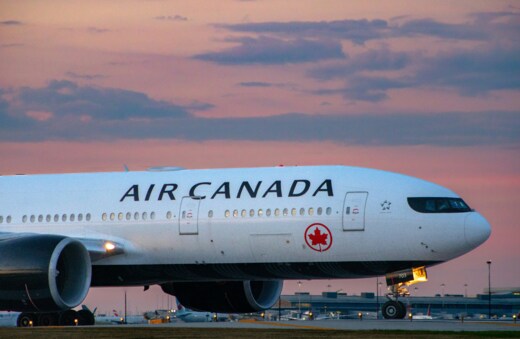

Air Canada is facing scrutiny after reports that a pilot allegedly flew for years without holding the full, up-to-date certifications required to command large commercial aircraft. The case raises urgent questions about oversight, accountability, and public safety in one of the country’s most critical industries.
The pilot, Geoffrey Wall, held a commercial pilot’s licence but is accused of lacking the necessary certification to command wide-body aircraft. According to reports, Wall flew more than 900 flights between 2009 and 2025 (spanning 16 years) without the discrepancy being detected.
That timeline is difficult to ignore. It suggests not a one-off administrative lapse, but a systemic failure in how credentials are tracked, verified, and enforced.
Other public transit systems offer a useful comparison. The Toronto Transit Commission (TTC), for example, routinely verifies operator licences, monitors their status, and applies immediate consequences when credentials lapse. While aviation and public transit differ in complexity, the principle is the same: when lives are at stake, oversight cannot be optional.
Air travel carries inherently higher risk. Even minor errors can have catastrophic consequences. That reality makes rigorous credential verification a moral obligation. If anything, airlines should operate with stricter, more transparent systems than other transit providers, not looser ones.
At this stage, there are no reports linking Wall to any accidents or safety incidents, but that fact offers little reassurance. The absence of harm does not erase the risk that existed for years, nor does it absolve the systems that failed to catch it.
Wall retired in 2025 after a 27-year career with Air Canada. He has since been arrested and charged with fraud related to misrepresentation of his qualifications. Yet focusing solely on the individual risks missing the larger issue. This is about the systems that allowed him to operate undetected for over a decade.
Air Canada’s internal processes now face legitimate scrutiny. How are pilot credentials verified? How frequently are they audited? What safeguards exist to flag inconsistencies? Most importantly, how did those safeguards fail for so long?

Public reaction reflects these concerns. Online, some question the timing of the charges, noting that Wall is no longer flying and that no harm was reported. Others argue the airline may be shifting responsibility onto an individual to deflect from institutional failure.
Both perspectives point to a deeper issue: trust. Airlines operate on an implicit contract with the public. Passengers accept the risks of air travel because they trust that every safeguard (from maintenance to staffing) is rigorously upheld. When that trust is shaken, the consequences extend far beyond a single case.
The timing also intersects with broader frustrations. Airlines have faced criticism in recent years over rising costs, baggage restrictions, and customer service challenges. Incidents like this risk compounding those frustrations, raising a more fundamental question: what exactly are passengers paying for if safety oversight is not airtight?
“Air Canada should be looked at more meticulously to find out how someone could go for years without being found out.”
That sentiment captures the core issue. Accountability cannot stop at the individual level. It must extend to the systems, policies, and leadership structures that allowed the failure to occur.
Regulators and industry leaders will now face pressure to respond. Whether that response leads to meaningful reform (or simply short-term damage control) remains to be seen.
What is clear is this: the story is no longer just about one pilot. It is about whether the systems designed to protect the public are as reliable as passengers are led to believe.
Stay in the loop with exclusive news, stories, and insights—delivered straight to your inbox. No fluff, just real content that matters. Sign up today!