

The van winds out of Montego Bay, past the cruise‑ship bustle and into the hills. The air shifts. The city’s polished postcard edges fade, and Jamaica begins to show you its real face: layered, scarred, resilient, and breathtaking.
The central question rises; what does it mean to travel through Montego Bay when you see the beauty, the systems, the scars, and the soul beneath it?
Martha Brae River; Beauty in devastation
The raft drifts slowly down the Martha Brae, bamboo poles cutting through jade‑green water. The captain tells stories, legends of the river, of hurricanes, of survival.
The postcard image is gone. The hurricane stripped the canopy, uprooted trees, left brown foliage where lushness once reigned. My guide admits, “The first time I saw it after the storm, I cried,” and yet, there is beauty in the devastation. New growth pushes through. Fruits return. The green is coming back. The ride is still peaceful, still worth it. Martha Brae teaches you that Jamaica’s beauty is resilient.
The raft village at the launch point offers crafts, snacks, and Miss Martha’s Herb Garden, where local plants remind visitors that healing is slow but inevitable. Even the cash‑only jerk stalls at the end feel symbolic; Jamaica feeding you even after loss.
Rocklands Bird Sanctuary; Fragile encounters
The road to Rocklands is rough: gullies, hills, the kind of journey that reminds you Jamaica is not built for convenience. At the end, a sanctuary waits.
I sit quietly, sugar water in hand. Then it happens: the Doctor Bird, Jamaica’s national bird, lands on my finger. Its wings hum, its beak dips, and for a moment, I am part of something sacred.
Even here, the hurricane left scars. Downed trees, damaged paths, restoration still in progress. The staff speak of rebuilding with pride, but also with urgency; they need help.

Rocklands is a reminder that ecosystems are fragile, that culture and nature require care, and that Jamaica’s identity is tied to the survival of its land.
Guides share stories of Lisa Salmon, the sanctuary’s founder, and of the Salmon family’s decades of stewardship. The sanctuary is family‑run, community‑rooted, and deeply Jamaican. To feed a hummingbird here is to touch history.
Rose Hall Great House; Haunted histories
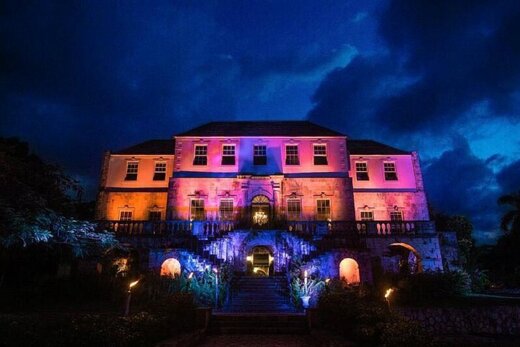
Night falls over Rose Hall, and the mansion looms against the sky. The guide’s voice drops low: Annie Palmer, the “White Witch,” enslaver, murderer, legend.
The tour is theatrical: dim lights, actors, sudden scares, but beneath the performance lies a truth: this was a plantation, built on slavery, haunted by history.
As a spiritual person, I feel the energy of the house. The actors make me jump, but the real chill comes from knowing what happened here. Rose Hall is Jamaica’s confrontation with its colonial past, repackaged for tourism, but still carrying weight.
The “Witches Brew” cocktail at the end is sweet, but the aftertaste is bitter, because history never fully fades. The tombs, the dungeons, the graveyard all remind you: Jamaica’s beauty is built on struggle, and its stories are layered with pain and resilience.
The Real Story; Why these experiences matter
Montego Bay’s attractions are lessons. Martha Brae shows resilience in the face of devastation. Rocklands shows fragility and the need for care. Rose Hall shows history’s shadow and the importance of remembering. Together, they tell a story larger than tourism. They remind us that Jamaica is a living, breathing place: scarred, healing, haunted, and hopeful.
Travel here is economics, ecology, and identity. It is seeing the truth beneath the postcard and still finding magic in reality
Stay in the loop with exclusive news, stories, and insights—delivered straight to your inbox. No fluff, just real content that matters. Sign up today!