

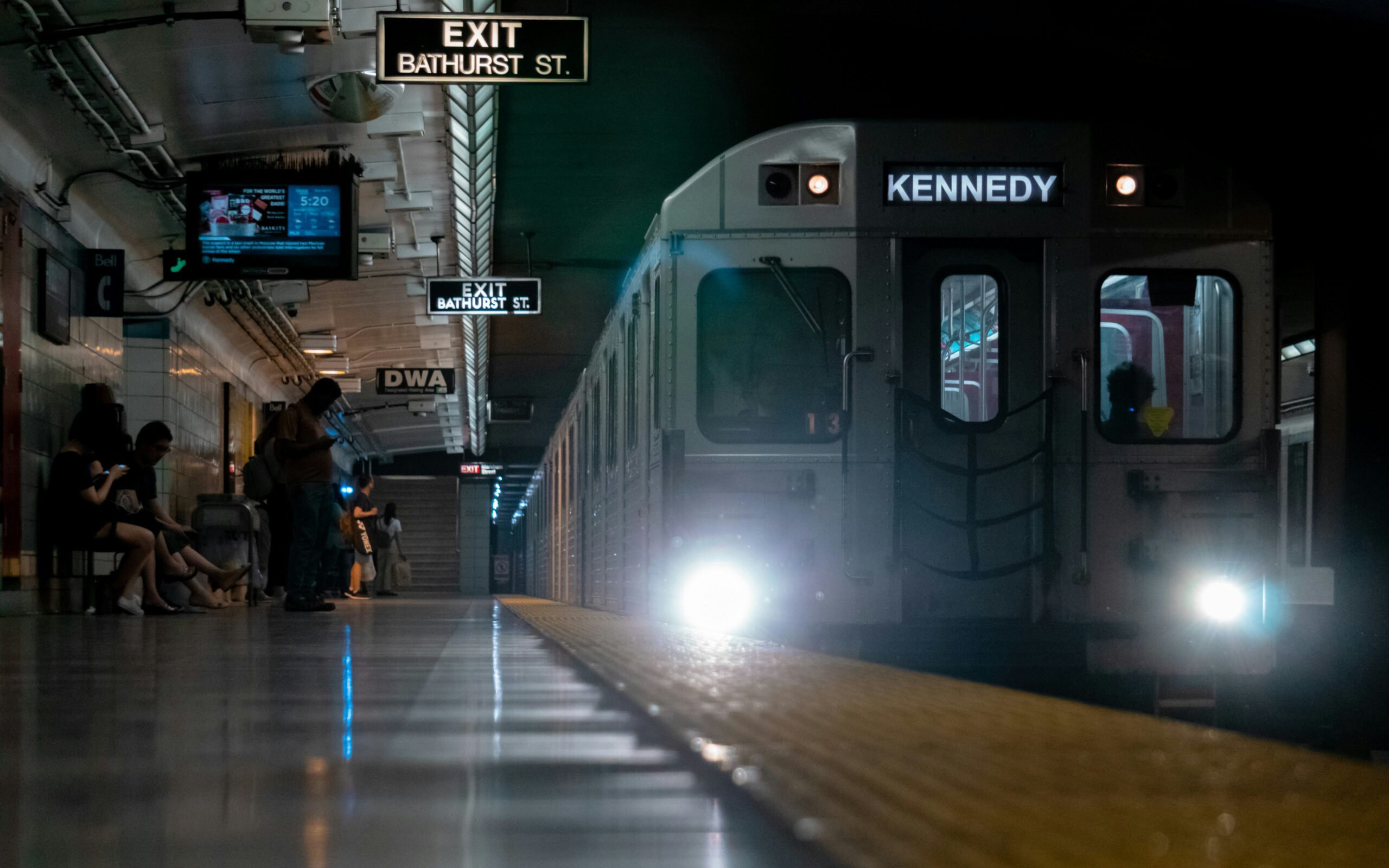

The Canadian Civil Liberties Association is warning that the Ontario Government has significantly expanded arrest and enforcement powers to transit special constables, agents who are not police officers, under new regulations tied to the Restricting Public Consumption of Illegal Substances Act (RPCISA). These changes grant authority to arrest, detain, demand identification, and seize or destroy property in public transit spaces. The decision affects millions of daily transit users and matters now because it reshapes how the province responds to addiction, homelessness, and public health, moving from care-based systems toward enforcement.
At its core, this policy extends police-like powers to transit enforcement personnel operating in spaces that are not optional: buses, subways, and stations that people rely on to work, seek care, and survive. According to the CCLA, these powers include directing individuals to stop consuming substances or leave public areas, requiring identification for legal proceedings, and arresting those who do not comply. According to CCLA, these are coercive authorities that can deprive individuals of liberty.
The Ontario government’s move builds on the RPCISA, legislation introduced through the Safer Municipalities Act. That law already prohibits the public use of illegal substances and allows officers to enforce compliance. What has changed is who can now act as officers. By expanding that designation to transit special constables, the state has widened the net of enforcement into everyday civic spaces, places where oversight is weaker and training may not match that of police.
The CCLA’s concern is not theoretical. Decades of research show that transit enforcement disproportionately targets Afro/Indo Caribbean and Indigenous people, racialized communities, unhoused individuals, and people living with mental health conditions. In its submission, the organization warns that the new regulation risks violating multiple sections of the Canadian Charter of Rights and Freedoms, including protections against arbitrary detention, unreasonable search and seizure, and infringements on liberty and security of the person.
The legal concern is matched by a human one.
For people experiencing homelessness, public transit is not just transportation. Removing someone from that space that for them at times is shelter, can mean exposure to violence, extreme weather, or isolation from services. For individuals living with substance use disorders, enforcement encounters can escalate health crises into criminal ones. What begins as a moment of vulnerability can end in arrest.

The timing of this policy shift is also critical. The Ontario government is simultaneously defunding and closing supervised consumption sites, facilities widely recognized as evidence-based interventions that reduce overdose deaths and connect people to treatment. The CCLA argues that this juxtaposition is not accidental; it is a move away from healthcare-based responses toward punitive control.
“This is a policy choice,” said Harini Sivalingam, Director of the Equality Program at the CCLA. “Replacing healthcare with enforcement.”
To be clear, public safety on transit is a legitimate concern. Riders want to feel safe. Workers deserve protection. Governments are tasked with maintaining order, but the question is what kind of action works.
Evidence consistently shows that enforcement-heavy approaches do not reduce substance use or improve long-term safety. Instead, they displace the issue, moving people from one space to another without addressing underlying causes like addiction, poverty, and lack of housing. In some cases, they deepen harm by discouraging people from seeking help, or using public services altogether.
The proposed alternative is not inaction. The CCLA and other advocates are calling for investment in harm reduction, mobile crisis response teams, and trained outreach workers, approaches that treat substance use as a health issue rather than a criminal one.
This is where the stakes become personal.
What happens next remains uncertain. The CCLA has called on the government to reverse course, withdraw the designation of transit special constables under this framework, and reinvest in health-centered responses. If the government does not act, the organization says it will closely monitor how these powers are used on the ground.
This is a developing policy landscape with real consequences. The question is about what kind of society is being built: one that responds to crisis with care, or one that meets it with control.
Stay in the loop with exclusive news, stories, and insights—delivered straight to your inbox. No fluff, just real content that matters. Sign up today!