


BY STEVEN KASZAB
Adoption has been a tool of necessity, but also one of creation and societal benefit. Our societies are built upon the family, a smaller but most influential element, and multiple families within the greater family, the community. Society’s growth is dependent upon the growth of children. To many societies, a community is a singular group with similarities, common interests, cultures and expressions. Other societies are not so transformative and similar. Adoption is a good thing, a powerful expression of love for all communities.
Question: Should Indigenous children that go up for adoption only be placed in Indigenous homes? Or is it okay to separate them from their culture, traditions and religion?
For many Indigenous, removing children from their tribes and communities is unethical, robbing them of their Indigenous culture and faith practices. There are non-natives who believe placement of children should be based upon a household that provides best care, even if it is not a native environment.

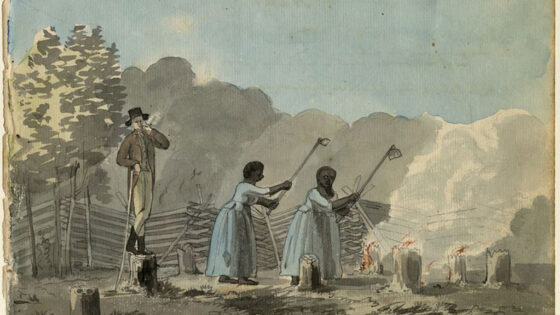
The US Supreme court is deciding upon the age-old Child Welfare Act (ICWA), which holds that should a child that lands in foster care is eligible for Indigenous membership, the child should be adopted by an Indigenous family whenever possible. The ICWA was enacted in 1978, after years of tribes complaining that White families were plucking children out of Indigenous communities for adoption. Governmental agencies viewed being White Christian’s as perfect parents, while Indigenous families living in poverty, as bad alternatives.
Is this all about race, or is it about continuing the centuries long cultural genocide?
This issue is found in all nations where Indigenous peoples live: New Zealand, Australia, the Caribbean, Africa and beyond. Race is an identifier, but history and socio-cultural aspects rule the day. If one family lives financially depressed, while another is more prosperous, offering the child greater advantages in the present and future, is how a decision of adoption is made. If one bases it on race, is it right to send a child into an environment of poverty and uncertainty?
It is unfortunate, but the same system that makes this crucial decision has also been responsible for the degradation of Indigenous communities and families who live in economically depressed regions.
Presently, Indigenous communities have developed, improving their lifestyle and economic status, but poverty and a need for a safe environment still begs the question; is it better for an adoptive parent to achieve their dream of adopting a child simply based upon their ability to care for, love and benefit the child?
Does race have a place in this process?
The decision to adopt, and the clear ability, determination and purpose of adoption need to be questioned. It is far too easy to become a parent. Should being a nurturing, loving and positive role model for a child be the only queue in decision-making? Many who have grown to adulthood have searched out their birth parents and investigated their culture and history. Perhaps a child needs only love and care by someone capable of offering it.
Stay in the loop with exclusive news, stories, and insights—delivered straight to your inbox. No fluff, just real content that matters. Sign up today!