

Old Irish saying: “There is no strength without unity” (Ní neart go cur le chéile).
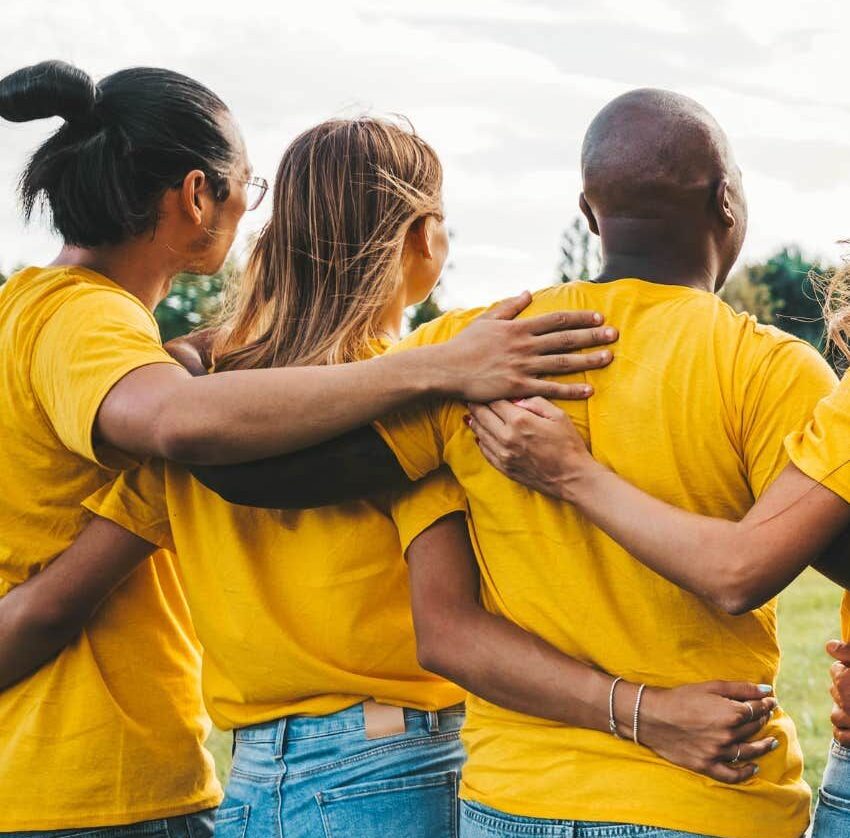
Unity amplifies our ability to be heard, recognized, and to solve problems collectively. Whether in families, businesses, governments, or entire nations, a unified voice and shared purpose can accomplish a great deal.
Not so long ago, Ireland offered a stark lesson in what happens when unity fractures. The country was divided north and south; Protestant and Catholic; migrant and nationalist; traditionalist and progressive. These divisions hardened into violence. British soldiers and state authorities clashed with various arms of the IRA, while Protestant Orangemen fought their own battles. Bombs detonated in pubs, schools, roadways, and marketplaces. Women and children were killed to prove political points. Everyone believed they had a cause worth fighting for, until enough people decided that enough was enough.
More than a million Irish citizens eventually marched against the violence, declaring that a democracy does not require bloodshed to resolve conflict. Families torn apart by sectarian divisions walked hand in hand, heart to heart, voices united. This was unity in action. While unity can be misused, democratic unity more often serves as a corrective, bringing people back from the brink.
Unity takes many forms. A united family creates space for communication. When we do not talk or listen, we tend to shout or withdraw. Unity asks us to look one another in the eye and truly see the other person.
Canada has lived its own test of unity. When a strong movement in Quebec pushed for a referendum on whether the province should remain within the Canadian federation, people across the country spoke openly about Quebec’s importance to them. Quebecers, in turn, heard those voices. Debate did not undermine unity; it expressed it. Ideas flowed back and forth. Unity, after all, is an essential condition of democracy.

Christmas has come and gone, and at its heart is the recurring theme of family unity: often imperfect, sometimes uncomfortable. Unity does not eliminate conflict. Wherever people gather, differences arise. One family member may despise another, yet a parent still insists everyone come together. In these moments, unity is practiced through humility, patience, and, ideally, openness.
Canadians (and many others around the world) face restrictions, challenges, and external pressures. We are strongest when we remember that, as individuals, we lack the power that comes from shared purpose. If Haiti could unite its people, it could move mountains of change, collaboration, and progress. Disunity, by contrast, empowers others and immobilizes us. It can leave people feeling defeated, angry, and desperate, conditions in which violence too easily takes root.
The natural state of human beings is intelligent, resourceful, and caring. Unity magnifies those qualities tenfold.
As one distinguished American once observed, “Coming together is a beginning; staying together is progress; working together is success.” If Henry Ford could recognize this truth, so can we. Most of us want the same things: a united family, meaningful work, a government that cares, and a peaceful world. I would gladly take four out of five. Even peace, however, does not happen by accident. It must be built, and unity is the work.
Stay in the loop with exclusive news, stories, and insights—delivered straight to your inbox. No fluff, just real content that matters. Sign up today!